February is celebrated as Heart Health Month. More than romance and Valentine’s Day, it’s a dedicated time each year to reflect on the health of our cardiovascular system and how daily choices — especially in what we eat — can support lifelong well-being. In the United States, heart disease remains the leading cause of death across diverse populations, affecting people of all genders and backgrounds. The CDC has reported that heart disease accounts for about one in every three deaths in the U.S., underscoring why awareness and prevention matter so deeply.
At its core, heart health refers to the well-being of your heart and blood vessels. When your cardiovascular system is functioning well, blood flows efficiently, delivering oxygen and nutrients throughout your body. When challenges such as high blood pressure, high cholesterol, diabetes, chronic stress, or smoking are present, the risk of heart attack and stroke increases.
Luckily, many cardiovascular conditions are preventable through lifestyle choices and early intervention. Proper diet and lifestyle are key, including balanced nutrition, regular physical activity, quality sleep, and stress management in protecting long-term heart health. It’s about patterns over time, and every supportive choice counts.
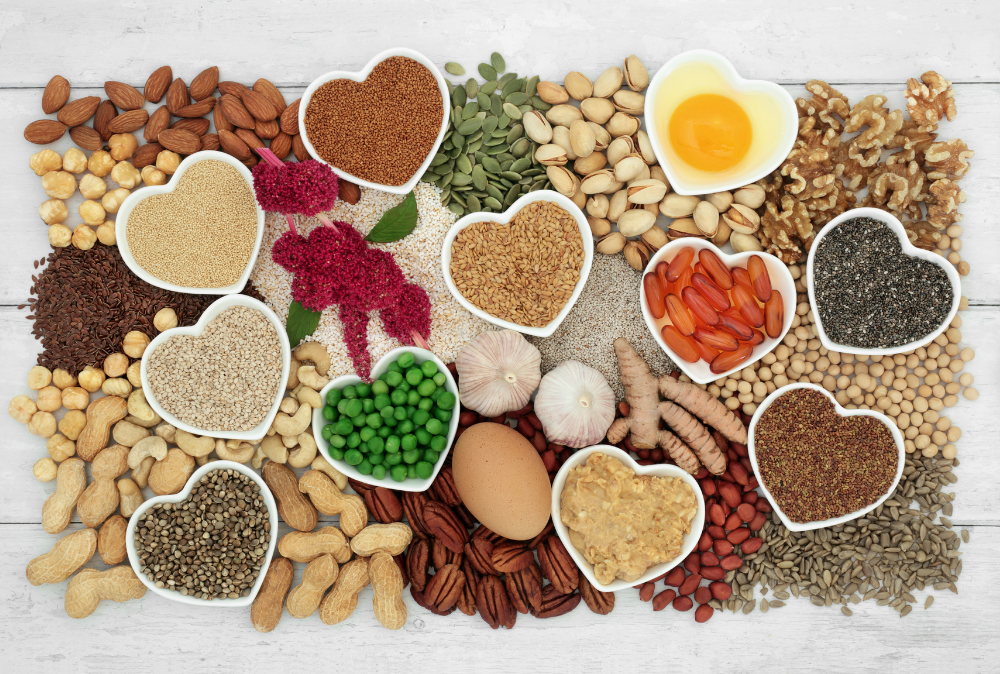
One of the most powerful ways to protect heart health is through what we eat. Research consistently shows that dietary patterns rich in plant-forward, minimally processed foods are associated with lower cardiovascular risk.
Fiber plays a particularly important role. Soluble fiber, found in foods like oats, beans, lentils, apples, and pears, can help reduce LDL cholesterol levels. Higher whole-grain intake is associated with reduced risk of heart disease and stroke.
Healthy fats are another cornerstone of heart health. Unsaturated fats, including those found in olive oil, avocados, nuts, seeds, and fatty fish, have been linked to improved cholesterol profiles and reduced inflammation. Omega-3 fatty acids from fish, like salmon and sardines, are especially well studied.
Fruits and vegetables also contribute significantly to heart health. They provide antioxidants, potassium, magnesium, and fiber, all of which help regulate blood pressure and support vascular function. It’s been shown that fruit and vegetable intake is associated with lower risk of cardiovascular disease and overall mortality.
Supporting heart health also involves reducing risk factors such as excess sodium, added sugars, and trans fats. High sodium intake is closely linked to elevated blood pressure, a major contributor to heart disease and stroke. The World Health Organization recommends limiting sodium intake to help prevent hypertension and cardiovascular disease.
It is important to approach these changes with compassion rather than perfectionism. Cultural traditions, financial access, time constraints, and personal preferences all shape our eating patterns. Heart health is not about rigid rules. It is about finding realistic, sustainable adjustments that work within your life. That might mean adding one extra serving of vegetables a day, choosing whole-grain bread instead of refined bread, or cooking at home a little more often when possible.
While food is central, heart health extends beyond nutrition. Regular physical activity strengthens the heart muscle and improves circulation. Managing stress supports hormonal balance and reduces strain on the cardiovascular system. Avoiding tobacco and attending routine healthcare visits allow early detection and treatment of risk factors.
The CDC notes that controlling blood pressure, maintaining healthy cholesterol levels, staying physically active, and managing conditions like diabetes significantly reduce the likelihood of heart disease. These protective steps are powerful acts of self-care, especially when practiced consistently over time.
Heart Health Month in February is a meaningful reminder, but caring for your cardiovascular system is a year-round commitment. By embracing heart-supportive foods, engaging in regular movement, and working closely with trusted healthcare professionals, you can nurture your heart health in ways that feel empowering and achievable.
Every positive choice, no matter how small, contributes to the bigger picture of cardiovascular well-being. This February, and in every season that follows, may your approach to heart health be rooted in knowledge, kindness, and sustainable care for the life-giving organ that works tirelessly for you every day. For help along this journey, schedule an appointment with one of our compassionate Care Providers.