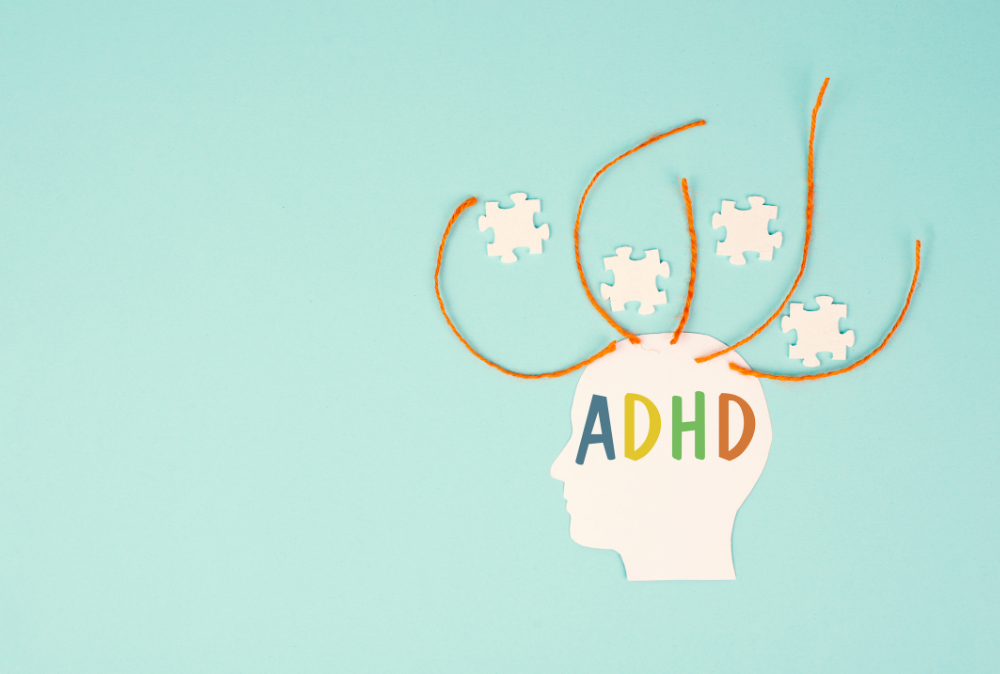
Adult ADHD is no longer a fringe topic whispered about only in clinical offices. It has become a central point of conversation for millions of people who suddenly recognize patterns in their lives that once seemed inexplicable. At KindlyMD, we approach adult ADHD with empathy and a commitment to grounding our content in reputable scientific evidence — because understanding leads to healing.
Attention-Deficit/Hyperactivity Disorder (ADHD) is a neurodevelopmental condition that begins in childhood but often persists into adulthood. Long understood primarily as a disorder of childhood, research now firmly shows that ADHD can continue to affect attention, impulse control, and executive function well into adult life. According to the Centers for Disease Control and Prevention, ADHD symptoms in adults can look different from childhood manifestations; instead of the overt hyperactivity seen in kids, adults may experience internal restlessness, difficulty organizing tasks, and challenges sustaining attention when tasks aren’t immediately engaging.
Despite persistent symptoms, many adults go undiagnosed for years. The CDC notes that more than half of adults with ADHD weren’t identified in childhood, reflecting both historical gaps in recognition and the evolving understanding of how ADHD presents across the life span.
The noticeable increase in adult ADHD diagnoses and treatment reflects a confluence of factors rather than a simple surge in one cause. For decades, ADHD was often seen as something children “grew out of,” but modern research confirms that many adults continue to experience impairing symptoms. Studies estimate that about 2.5% of adults worldwide meet criteria for ADHD, and up to 70% of those diagnosed in childhood still have symptoms as adults, though they may no longer meet traditional adult diagnosis criteria.
One compelling reason for rising recognition is increased awareness. Social media, online discussions, and ubiquitous content about adult ADHD have prompted many adults to reflect on their own lived experiences and seek professional evaluation. Healthcare providers, too, are more attuned to the subtle ways ADHD can manifest across diverse adult lives. Data from healthcare analytics indicates significant increases in diagnoses among adults over 30 years old in recent years, driven by improved identification and broader societal conversations about mental health.
Other explanations for the apparent rise include changes in diagnostic criteria and evolving social and environmental contexts that challenge attention and organization. The shift toward digital work, constant connectivity, and less structured daily routines might amplify ADHD symptoms or make them more disruptive, leading people to seek help. Some research even suggests that increased online content and the proliferation of virtual clinics offering ADHD assessments have influenced both identification and treatment patterns.
Importantly, experts caution against oversimplifying this trend. While heightened awareness has undoubtedly helped people obtain needed care, it also raises concerns about possible overdiagnosis and the influence of misinformation. Clear, evidence-based evaluation by qualified clinicians remains essential for accurate diagnosis.
Adult ADHD is uniquely experienced by each person, but there are common themes grounded in research and clinical practice. Symptoms may include persistent difficulties with sustaining attention, organizing tasks, initiating and completing projects, managing time effectively, and regulating impulses and emotions. For some adults, hyperactivity shows up not as physical restlessness but as an internal sense of agitation or the need for constant mental stimulation.
Adults with ADHD may find everyday responsibilities — work deadlines, household management, interpersonal commitments — disproportionately exhausting or overwhelming. Relationships can be strained when forgetfulness or impulsivity interferes with expectations. At times, achievements feel like triumphs simply because they required double the effort of others. These experiences are not character flaws but reflections of how brain function shapes attention and regulation.
Conversations about adult ADHD are more than academic; they are deeply personal. Recognizing that someone’s struggles with focus, organization, or emotional regulation have a neurological basis can be validating and transformative. Bringing empathy to these discussions helps reduce stigma, enhance support, and encourage adults to seek the resources they need.
Healthcare professionals and loved ones alike benefit from understanding that adult ADHD isn’t a deficit of willpower or motivation. It reflects real neurological differences that affect daily living and quality of life. With proper evaluation, tailored strategies, and supportive environments, adults with ADHD can harness their strengths, develop coping mechanisms, and thrive.
We believe everyone deserves to understand their health with clarity and compassion. If symptoms described here resonate with your experience or that of someone you care about, consider scheduling an appointment with a KindlyMD provider to start an open, honest conversation about what you’re noticing in your daily life.